Japanese Bobtail Stories

True history in short chapters — and five-minute tales to read with your kids.

Test the Tale

Keep your streak alive! Sample streak

5 Day Streak

Play the story and its Breed Brain quiz — light up Japan on your atlas map.

From the breed archive

The True Story of the Japanese Bobtail

Short, fact-checked chapters — generated for the Atlas and checked against breed references.

From the breed archive

Chapter One

Breed history

The Japanese Bobtail is an ancient feline breed deeply woven into the cultural fabric of Japan. Believed to have arrived from the Asian mainland more than a thousand years ago, these distinctive cats were initially prized by Buddhist monks. Their primary role was to protect precious temple scrolls from destructive rodents.

From the breed archive

Chapter Two

Breed history

The breed's most defining feature is its naturally mutated, stubby tail, which resembles a fluffy pom-pom rather than a typical feline appendage. In Japanese folklore, cats with long tails were sometimes feared as shape-shifting spirits called nekomata. The Bobtail's shortened tail offered comfort to those who believed these compact felines harbored only good fortune rather than supernatural malice.

From the breed archive

Chapter Three

Breed history

By the seventeenth century, Japan's lucrative silk trade was under severe threat from a booming rat population. Authorities decreed that all cats, including the revered temple Bobtails, must be released into the streets to hunt and safeguard the precious silkworms. This widespread dispersal transformed the Japanese Bobtail from an elite companion to a beloved street cat and a ubiquitous fixture in the Japanese landscape.

From the breed archive

Chapter Four

Breed history

It was not until the mid-twentieth century that the Japanese Bobtail made its official journey to the Western world. American military personnel and visiting breeders became captivated by the cat's elegant bone structure, high intelligence, and engaging personality. Carefully imported to North America, the breed was systematically established by dedicated fanciers, eventually earning formal recognition in international championship registries.

From the breed archive

Chapter Five

Breed history

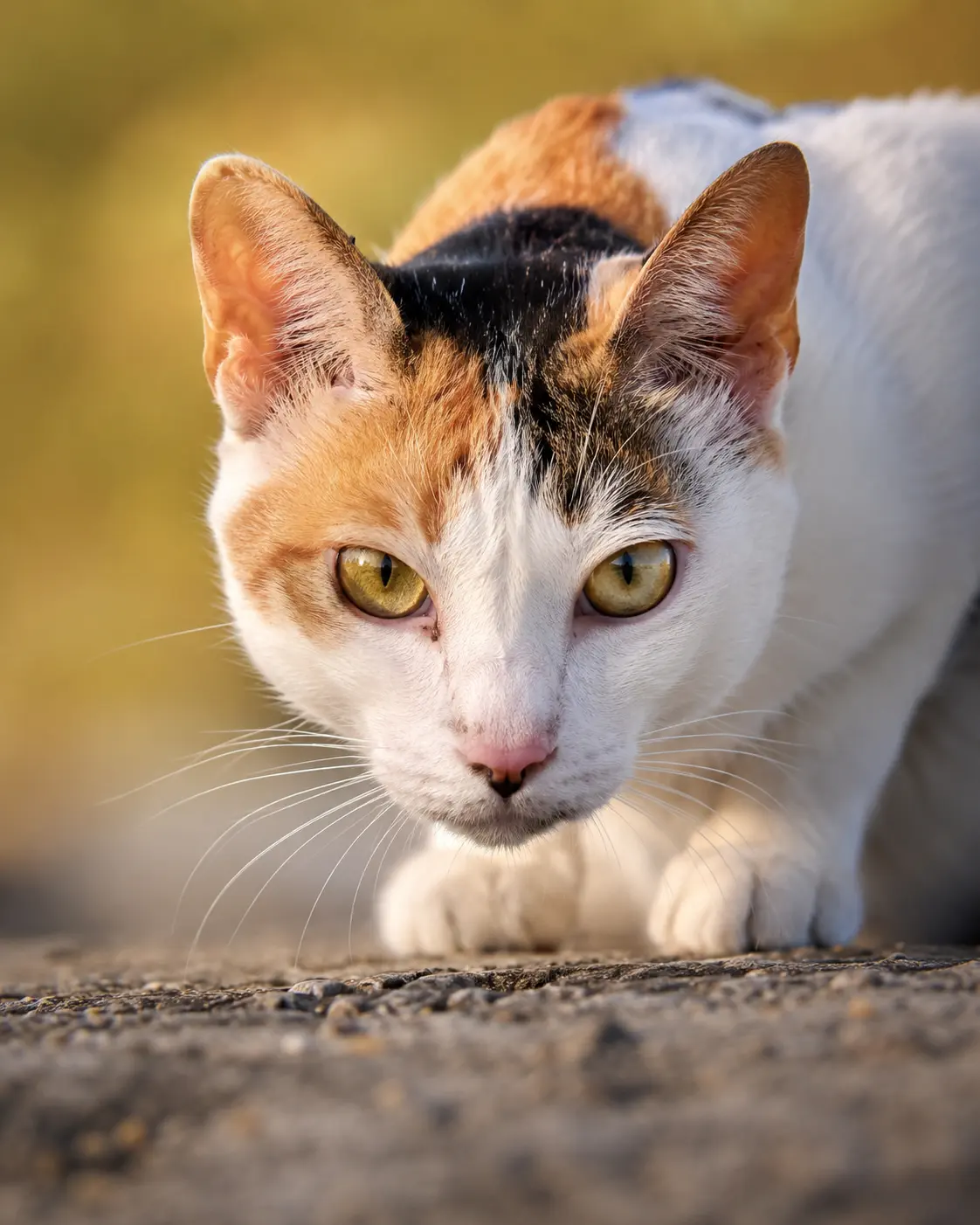
Today, the Japanese Bobtail remains a cherished symbol of luck and prosperity, immortalized globally by the iconic Maneki-neko figurine. Whether exhibiting a traditional tricolor calico pattern or a striking solid coat, these athletic and vocal cats carry the legacy of their homeland. They continue to enchant enthusiasts with their rich history and undeniably unique silhouette.

Read together

Five-Minute Tales for Kids

Bedtime stories starring the breed — open one and read it cover to cover.

Read “The Japanese Bobtail Story” as plain text

Long ago in the beautiful islands of Japan, a very special cat was born. Instead of a long swishy tail, this kitty had a cute little pom-pom puff! This is the Japanese Bobtail, and no two tails are exactly alike.

These cats are known for being incredibly friendly and smart. You might have even seen statues of them with one paw raised in the air. People in Japan believe this beckoning pose brings good luck and happiness to everyone nearby.

Japanese Bobtails love to play and leap high into the air. Their back legs are a little bit longer than their front legs, making them excellent jumpers. They will happily chase feather toys or even play fetch just like a little puppy.

When they want your attention, they do not just meow like ordinary cats. They make a whole range of sweet chirps and soft little singing sounds. It is like having a tiny, furry choir right in your living room.

At the end of a busy day, a Japanese Bobtail wants nothing more than to snuggle. They love their human families and will follow you from room to room. Having one of these lucky little cats means you always have a happy friend by your side.

Read “Another Japanese Bobtail Tale” as plain text

Long ago in Japan, a little Japanese Bobtail cat lived in a very poor temple. He had a stubby tail like a fluffy bunny and bright, clever eyes. The kind monks shared their small dinners with him, and he loved them very much.

One stormy afternoon, a wealthy lord was resting under a tall tree near the temple. He looked up and saw the little bobtail cat sitting by the wooden doors. The cat raised one paw, waving it in the air as if to say come here.

The curious lord stepped away from the tree to look at the funny, waving cat. Suddenly, a huge bolt of lightning struck the exact spot where the lord had just been standing. The clever little cat with the short tail had saved his life.

The grateful lord gave the temple lots of gold, making it beautiful and safe forever. Because of this brave Japanese Bobtail, people now make waving cat statues called the Maneki-neko. They believe this special cat with the pom-pom tail still brings good luck and happiness to everyone.
Every breed is a story the world wrote first.Ready for the next one? Head back to the atlas and pick a new country to explore.

    We use essential cookies only to keep you signed in and protect your session. No tracking or advertising cookies. Learn more